
Evidence gain
Acquired images, localized structures, morphology, specimen context, and reviewable derivatives move forward together.
SEPS V10 is a specimen-linked evidence architecture for keeping acquired images, localized morphology, limitations, and expert-reviewed language in the same record. The module names are visible. The production logic is not.
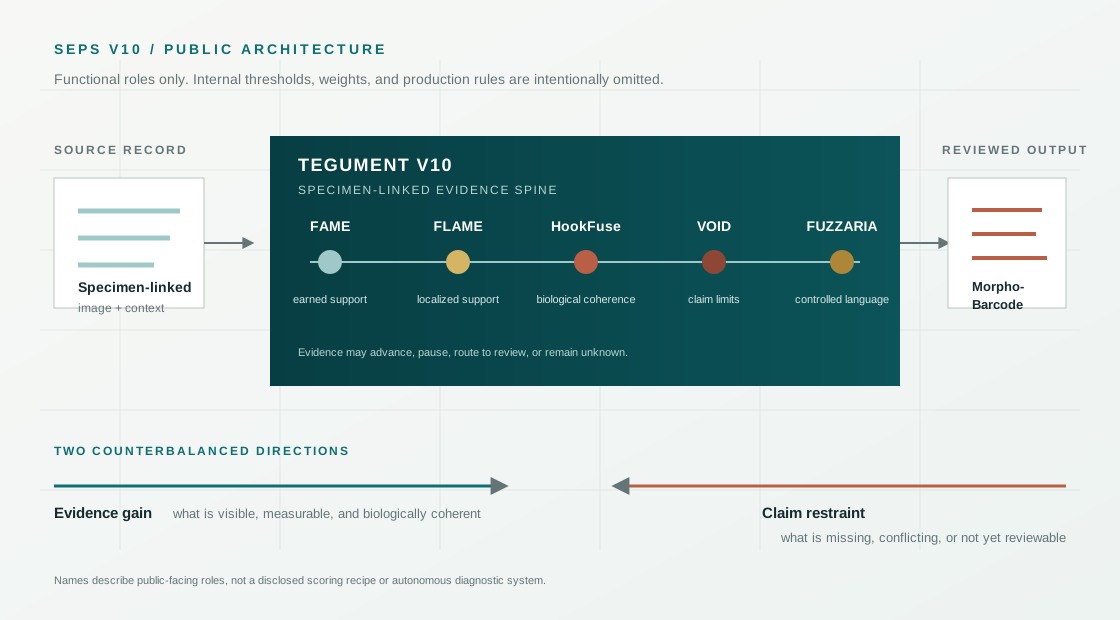
Support should become more visible, measurable, and biologically coherent without allowing missing scale, conflicting context, or weak review to disappear behind a confidence score.
Acquired images, localized structures, morphology, specimen context, and reviewable derivatives move forward together.
Limitations remain active. The system may advance, pause, route to review, or remain unknown.
The public architecture exposes two counterbalanced directions without publishing the internal scoring recipe.
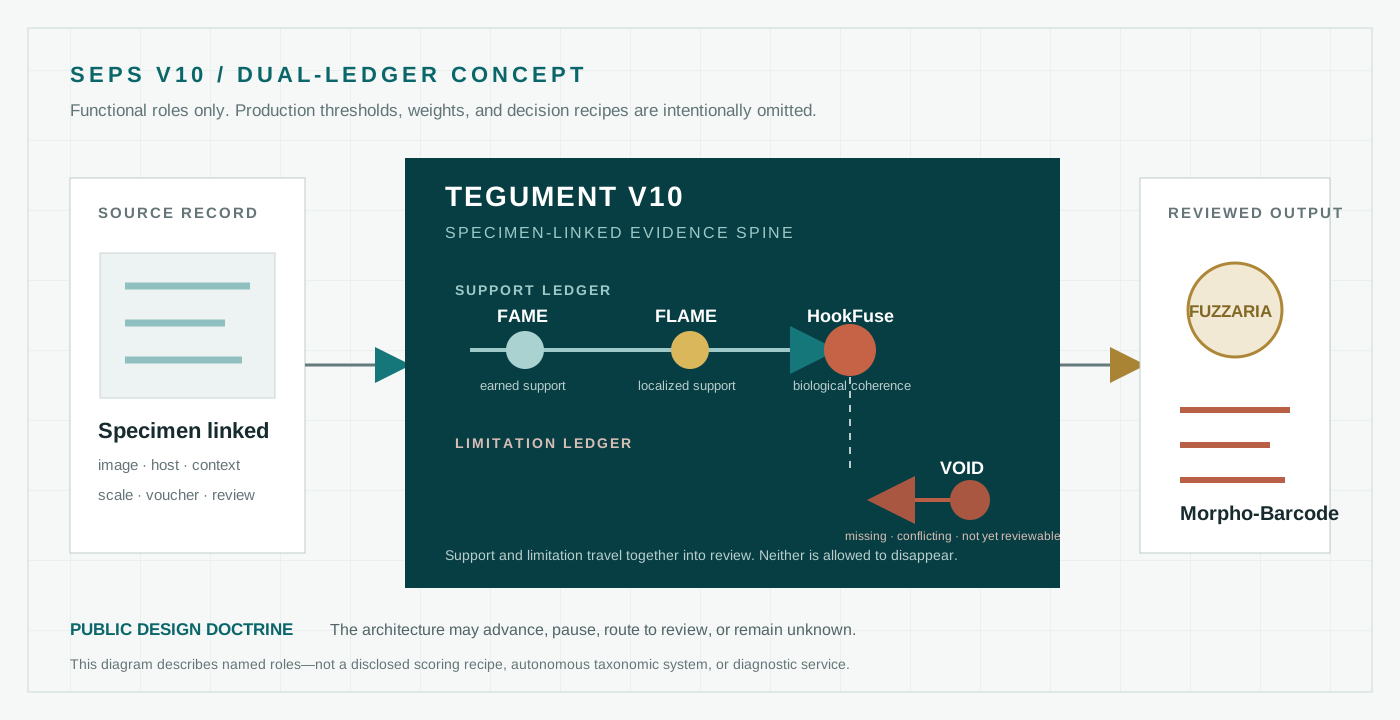
The names create a memorable architecture; the descriptions below state only the role each component plays in the evidence chain.
The specimen-linked evidence spine: source imagery, context, review state, and versioned derivatives remain connected.
Registers interpretable support contributed by an acquired image without allowing visibility alone to become a taxonomic claim.
Tracks whether visible support is localized to a defensible structure or region.
Brings morphology, selected regions, life stage, and specimen context into one biological review surface.
Retains missing scale, damaged views, conflicts, and other reasons a claim should stop or remain provisional.
Constrains how far reviewed evidence is allowed to travel in scientific language.
Carries the specimen-linked image, review state, derived measurements, limitations, and provenance forward as a portable record.
The visual layer distinguishes what was acquired, what was annotated, and what was derived.
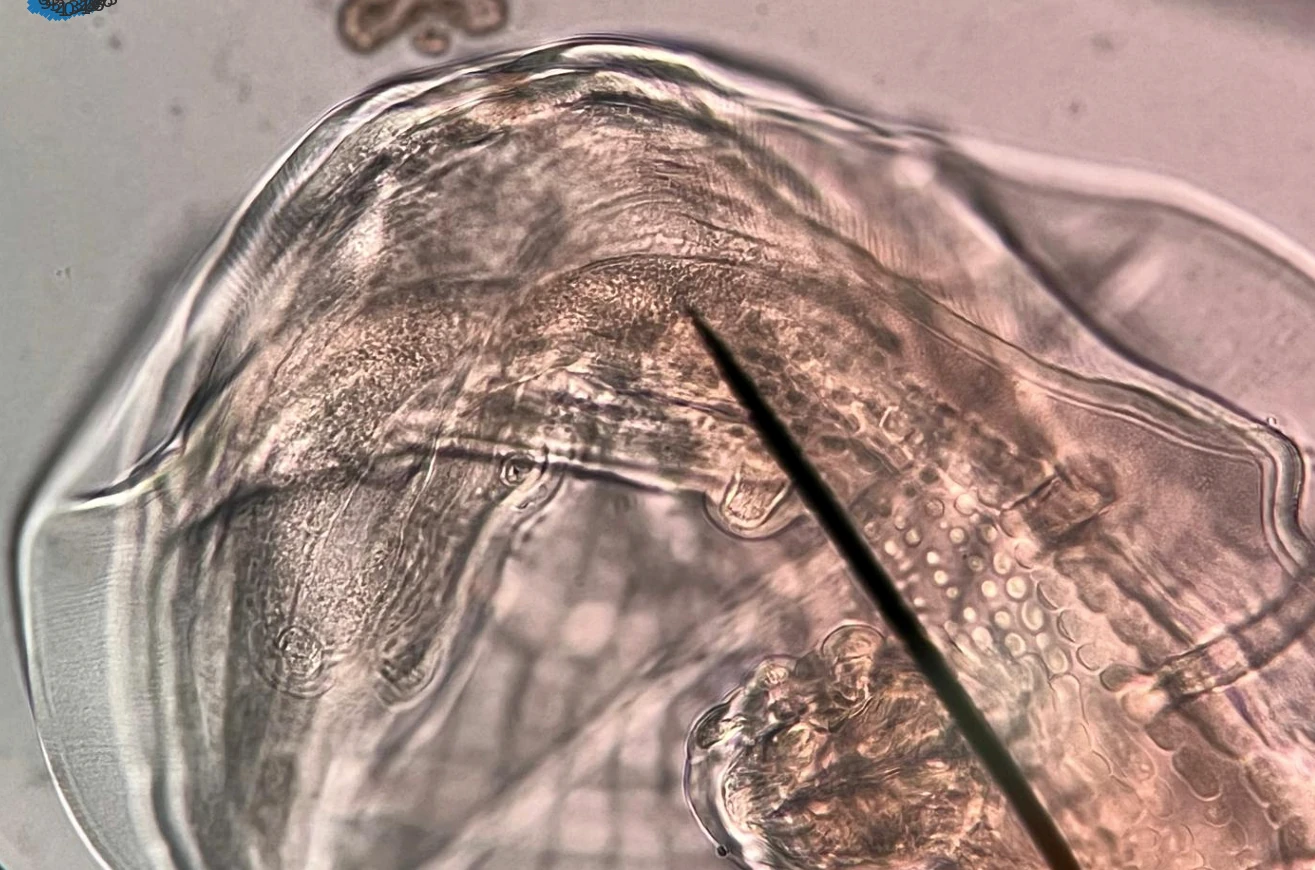
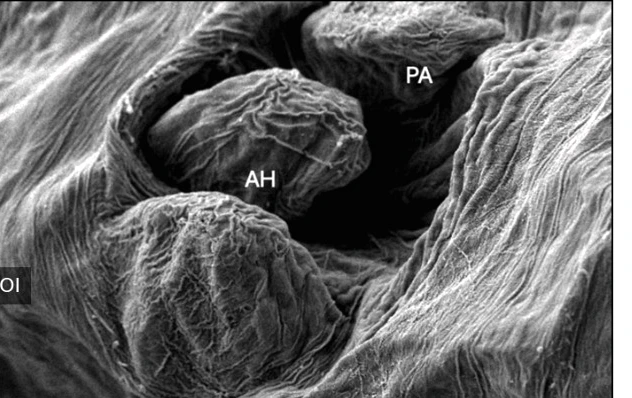
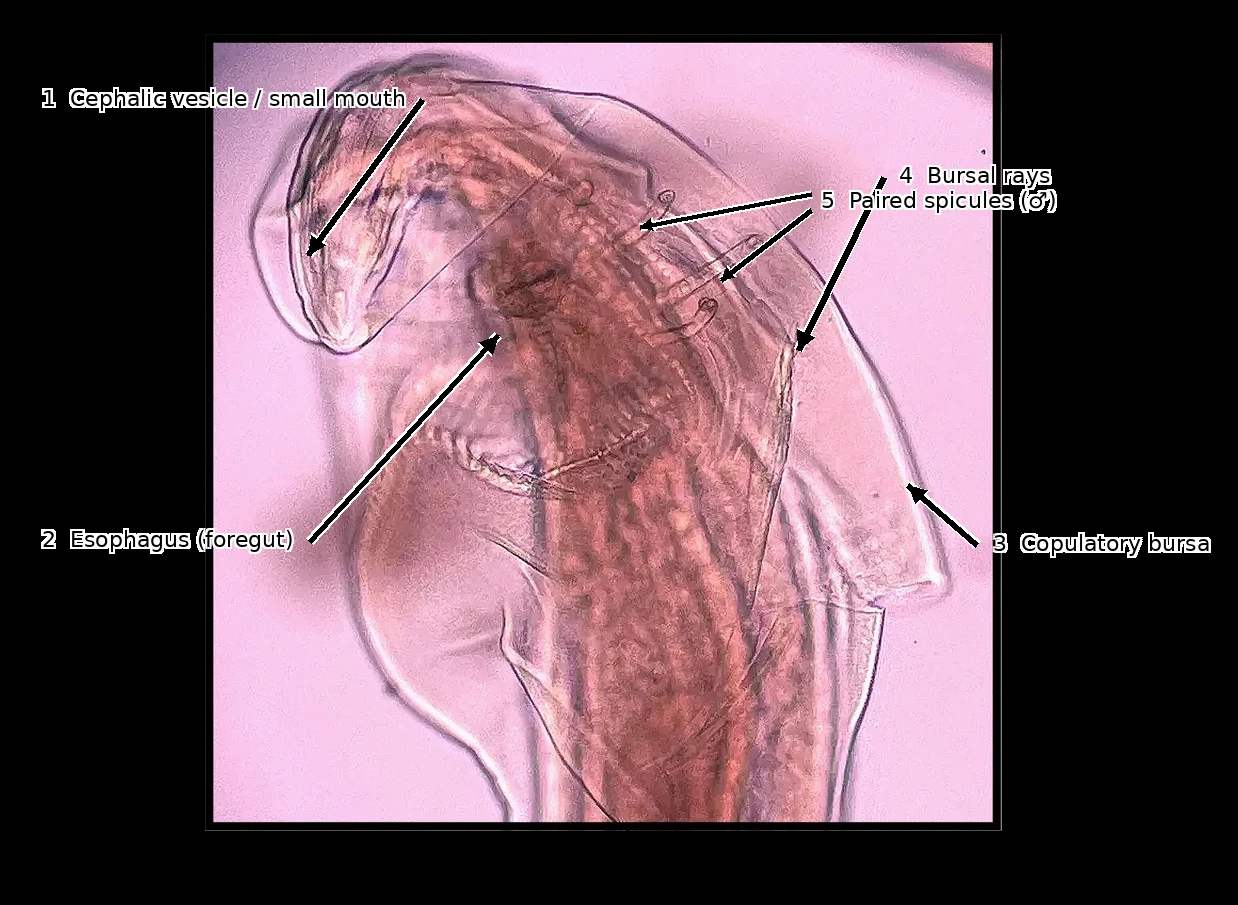
Reviewed evidence can advance, pause, branch to molecular work, return for another image, or remain unknown. This topology is more conservative than allowing confidence alone to decide the language.
The public site names the functional architecture and the evidence standards. It does not expose production thresholds, weights, transformations, model internals, proprietary rule structure, sensitive specimen information, or unpublished taxonomic logic.
The current reference audit includes 779 microscope fields and 1,620 linked annotations. Field-level partitions keep annotations from the same microscope field together, and 117 fields remain untouched for final evaluation.
These figures describe a recall-first localization component—not species identification, segmentation accuracy, or autonomous diagnosis.
SEPS welcomes research, curation, microscopy, molecular, museum, agency, and external-validation partnerships.